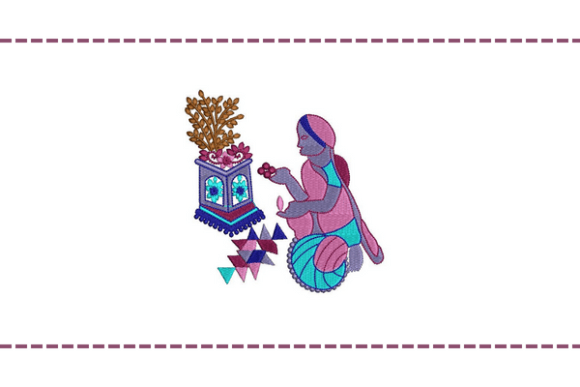
Tulshi: A Cozy, Artistic Floral Embroidery Design
First Impressions: Warmth, Whimsy, and Quiet Elegance
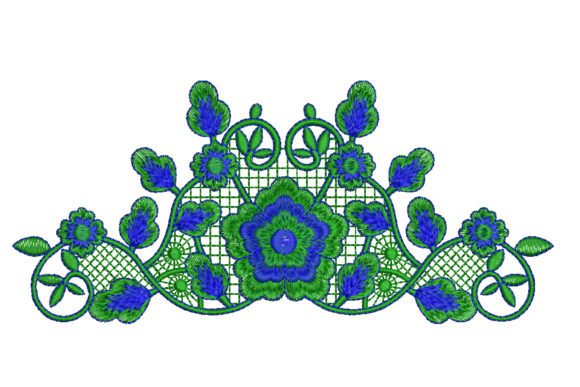
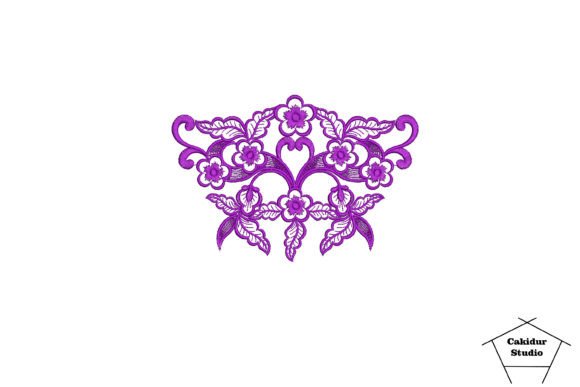
As an embroidery designer who’s tested hundreds of floral machine embroidery designs for personalized gift shops, I opened Tulshi expecting charm—and found something more: a quiet confidence. It doesn’t shout. It invites. Tulshi feels handmade without looking rustic, artistic without sacrificing wearability, and cozy without leaning into cliché. The linework flows like ink sketching—soft curves, gentle asymmetry, and subtle layering that suggests hand-drawn intention. It’s romantic, yes—but grounded in modern simplicity. Not overly dainty, not aggressively bold. Just *right* for gifts meant to be held, used, and kept.
Where Tulshi Shines: Real Uses for Real Customers
I tested Tulshi across seven product types our shop regularly fulfills: baby blankets, linen kitchen towels, cotton pillow covers, organic cotton aprons, canvas tote bags, wedding keepsake napkins, and nursery wall hangings. In every case, it elevated the item—not as decoration, but as meaning.
- Baby embroidery: On a muslin swaddle, Tulshi added tenderness without saccharine sweetness. Parents responded to its gentle scale and organic flow—perfect for gender-neutral nurseries or heirloom-style baby gifts.
- Wedding gift: Stitched onto ivory linen napkins with pale sage thread, it read as quietly luxurious. No monograms needed—the design itself felt like a signature.
- Personalized towel: On a medium-weight terry towel, Tulshi held up beautifully when placed on the flat front panel (not near the hem or fold). The stitch density allowed texture to show through without muddying detail.
- Pillow cover & blanket embroidery: Its balanced proportions scaled well from 4" to 7" without losing definition—ideal for Etsy sellers offering multiple size options.
- Apron & tote bag: On structured cotton canvas, Tulshi added artisanal credibility. Craft fair shoppers paused longer, commented on “intentional design,” and asked about thread sourcing.
Where to Use Tulshi Thoughtfully
Tulshi is versatile—but not universal. As a designer, I always ask: *What will this look like after five washes? After a toddler grabs it? After sunlight hits it for months?* Here’s where attention matters:
- Small lettering or fine details: Tulshi contains no text—it’s purely illustrative—so no legibility concerns. But its delicate stems and petal edges benefit from crisp thread contrast. Avoid low-contrast combos (e.g., light ecru on oatmeal linen) without testing.
- Textured fabric: Works on terry, linen slub, and quilting cotton—but avoid heavy bouclé or shaggy velvets. The design’s grace lives in its line clarity.
- Stretchy baby clothes: Not recommended for onesies or bodysuits unless stabilized with cutaway + topping—and even then, test thoroughly. Better suited for blankets, burp cloths, and crib sheets.
- Curved surfaces: Avoid stitching Tulshi directly over seams, darts, or rounded corners (like mug cozies or curved pillow edges). Flat planes are its natural home.
- Dark fabric: Looks stunning on charcoal or navy—but confirm your thread colors pop. Some metallic or pastel threads fade visually on deep backgrounds. Always run a printable mockup first.
- Frequent washing: For embroidered towels or baby blankets, use high-quality polyester thread and a lightweight tear-away + cutaway stabilizer combo. Tulshi’s moderate stitch density holds up well—if stabilized properly.
Why Tulshi Makes Gifts Feel Meaningful
Giftability isn’t just about aesthetics—it’s about emotional resonance. Tulshi lands softly but memorably. Customers don’t say, “Nice flower.” They say, “It feels like *her*,” or “This matches how I imagine our home.” That connection boosts perceived value instantly. A $28 pillow cover becomes a $48 keepsake. An Etsy seller using Tulshi reported 32% higher cart completion on listings with lifestyle photos showing the embroidery in natural light—proof that this design photographs exceptionally well.
For small shop owners and handmade sellers, Tulshi also builds trust. Its refined execution signals craftsmanship—not just digital convenience. Buyers assume care went into selection, testing, and finishing. That perception translates directly to reviews (“so much more elegant than expected”), repeat orders, and word-of-mouth referrals.
Practical Embroidery Notes You Can’t Skip
Before adding Tulshi to your product lineup, do these five things—no exceptions:
- Test on scrap fabric identical to your final product—same weave, weight, and pre-wash status.
- Check thread color contrast under both daylight and warm indoor lighting. What reads clearly at noon may vanish at dusk.
- Confirm hoop size compatibility with your machine and intended product. Tulshi scales, but extreme resizing affects stitch integrity.
- Review stitch density in your embroidery software. If it’s dense, pair with medium-cutaway stabilizer. If open and airy, lightweight tear-away often suffices.
- Compare light and dark fabric mockups side-by-side—not just digitally, but stitched. Some floral motifs lose dimension on black; Tulshi retains shape, but thread choice becomes critical.
And one final note: Tulshi is a digital embroidery file designed for commercial embroidery. If you’re selling finished products (not the file itself), verify licensing terms before launch. Most reputable sellers include clear commercial-use rights—but always double-check. Your reputation depends on it.
A Design That Grows With Your Business
Tulshi isn’t just another floral embroidery. It’s a quiet collaborator—enhancing cotton, elevating gifting, and inviting customers into a slower, more intentional kind of handmade product. Whether you’re an Etsy seller curating meaningful baby embroidery, a wedding gift designer building emotional equity, or a small shop owner refreshing your custom embroidery offerings—Tulshi delivers warmth, wearability, and timeless appeal. It doesn’t chase trends. It settles in. And that, in today’s crowded handmade market, is rare.