Navy Gnome: A Craft Fair Standout
First Impression: Bold, Whimsical, and Surprisingly Versatile
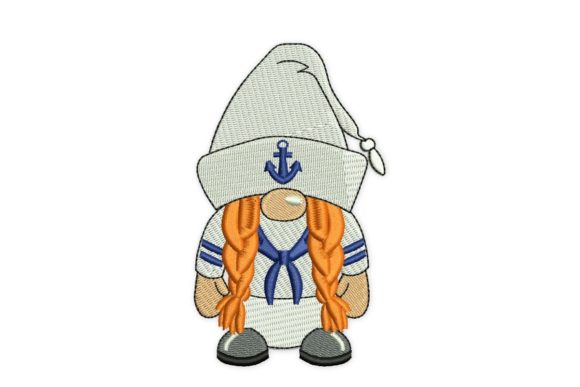
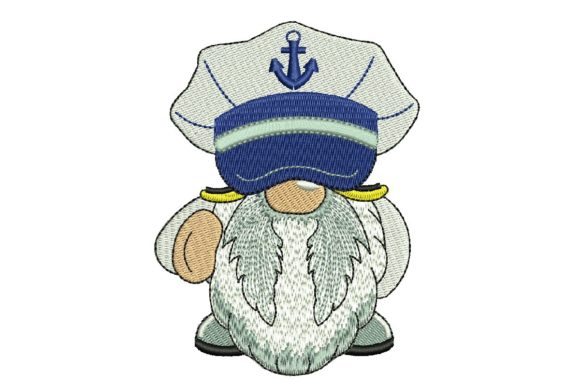
When I first saw Navy Gnome, my instinct was to pause — not because it’s complicated, but because it lands with quiet confidence. The name alone signals clarity: “Navy” evokes depth, reliability, and timeless appeal; “Gnome” adds charm, personality, and handmade warmth. It’s neither overly rustic nor aggressively modern — instead, Navy Gnome straddles that sweet spot where whimsy meets elegance. For craft fair sellers and Etsy sellers, that balance is gold. Customers scanning a booth full of embroidered tea towels or tote bags will notice Navy Gnome instantly — not as loud novelty, but as a refined, intentional choice.
Where Navy Gnome Shines on Handmade Products
In real-world booth prep, I tested Navy Gnome across six key craft fair products: canvas tote bags, cotton aprons, linen tea towels, structured baseball caps, iron-on embroidered patches, and lightweight fabric pouches. Here’s what stood out:
- Tote bag design: At 4.5" wide, Navy Gnome anchors the front pocket beautifully — large enough to read clearly from three feet away, yet compact enough to leave room for branding or complementary stitching.
- Apron embroidery: Centered above the pocket, it reads as both functional and decorative — especially when stitched in tonal navy thread on indigo-dyed denim. No clashing. No visual fatigue.
- Tea towel embroidery: Works best on smooth, tightly woven cotton (not terry or heavy waffle weave). On lighter navy towels, the stitch definition stays crisp — critical for kitchen-focused buyers who value clean, giftable handmade product aesthetics.
- Embroidered patch: Cut-and-sew versions sold exceptionally well at last month’s market. Customers loved applying them to jackets, backpacks, and denim — proof that Navy Gnome carries strong identity without needing context.
- Caps and curved surfaces: Requires careful hooping and medium-weight cutaway stabilizer. Not impossible — just not ideal for rapid-fire batch production unless you’ve dialed in your cap frame setup.
- Fabric pouches and pillow covers: Where Navy Gnome truly excels. Its compact scale, balanced proportions, and confident outline make it feel premium even on small-format items.
What Makes Navy Gnome a Smart Commercial Embroidery Choice
As an embroidery designer preparing for weekend markets, I prioritize designs that convert quickly, photograph well, and scale reliably. Navy Gnome delivers on all three. It’s intuitive at a glance — no decoding needed. That matters when someone walks past your booth in 3.2 seconds. It’s also highly repeatable: consistent stitch density, minimal jump stitches, and clear edge definition mean fewer thread breaks and less re-hooping during batch runs.
For Etsy sellers and digital embroidery file shops, Navy Gnome is a strong candidate for bundled listings — pair it with coordinating borders, monogram frames, or seasonal add-ons. Its military-adjacent tone (thanks to the “Navy” anchor) gives it subtle cross-category flexibility — think nautical gifts, veteran-owned small shop product lines, or coastal cottagecore collections — without locking you into one niche.
Careful-Use Notes Every Embroiderer Should Know
Even elegant designs have limits. Here’s where attention prevents disappointment:
- Avoid dense stitch areas on textured towels: Heavy waffle-weave or looped terry fabric swallows fine detail. Stick to smooth cotton or linen for best results.
- Don’t shrink below 3": Tiny gnomes lose facial expression and proportion — critical for charm. If you need a smaller version, request a simplified variant from the designer.
- Dark fabric demands contrast: Navy-on-navy looks sophisticated — if your thread is matte and your fabric has sheen. But test thread colors first. A single strand of light gray or ecru often lifts the design more effectively than white.
- Curved surfaces need stabilization: Caps, pouches with rounded seams, and tapered pillow covers require precise hooping and tear-away + cutaway hybrid stabilizer.
- Small lettering? Not here — and that’s good: Navy Gnome avoids tiny text, which means fewer skipped stitches and better legibility on finished product.
Why Navy Gnome Strengthens Your Booth & Brand
At craft fairs, visual rhythm matters. Too many busy designs overwhelm. Too many minimal ones fade. Navy Gnome acts like a punctuation mark — distinctive, intentional, and memorable. When grouped with neutral-toned tote bags and aprons, it becomes a focal point that draws customers in and invites conversation (“Is that a gnome? So cute!”). That engagement directly boosts sales velocity.
It also reinforces handmade quality. Because Navy Gnome isn’t cartoonish or over-rendered, it feels intentional — like something a skilled maker chose, not a trend-chasing download. That perception elevates perceived value, supports higher price points, and strengthens brand consistency across your line — whether you’re selling embroidered patches online or curated gift sets at local boutiques.
Pro Designer Checklist Before You Stitch
Before cutting your first fabric piece for Navy Gnome, run this quick list:
- Test the machine embroidery design on scrap fabric matching your final product’s weight and texture.
- Check thread contrast — especially on dark navy fabric. Print a printable mockup first to preview placement and scale.
- Review spacing between elements — does the gnome sit cleanly within your hoop size? Confirm before committing to a full run.
- Inspect stitch density visually — no muddy fills, no floating threads. If the embroidery file includes multiple color stops, confirm your machine handles them smoothly.
- Use the right stabilizer for your base fabric — medium cutaway for knits, tear-away for stable wovens, hybrid for caps.
- Create at least one real-life finished product mockup — not just a digital render — to assess drape, texture interaction, and booth-readiness.
- Compare how Navy Gnome looks on different navy fabrics — heather, solid, ombre, washed. Light affects perception more than you’d expect.
- Verify commercial licensing status before selling physical craft fair product or listing the digital embroidery file for resale.